-
 L: ©Rokko Alpine Botanical Garden / R: ©Alpengarten Schynige Platte
-
©Alpengarten Schynige Platte
-
©Rokko Alpine Botanical Garden
Rokko Alpine Botanical Garden ― Alpengarten Schynige Platte (2008)
Kansai | Kobe City
Historical Figures & Locations
Even Swiss and Japanese environments are somehow connected: two alpine gardens have been collaborating for their preservation.
The Kansai’s alpine touch
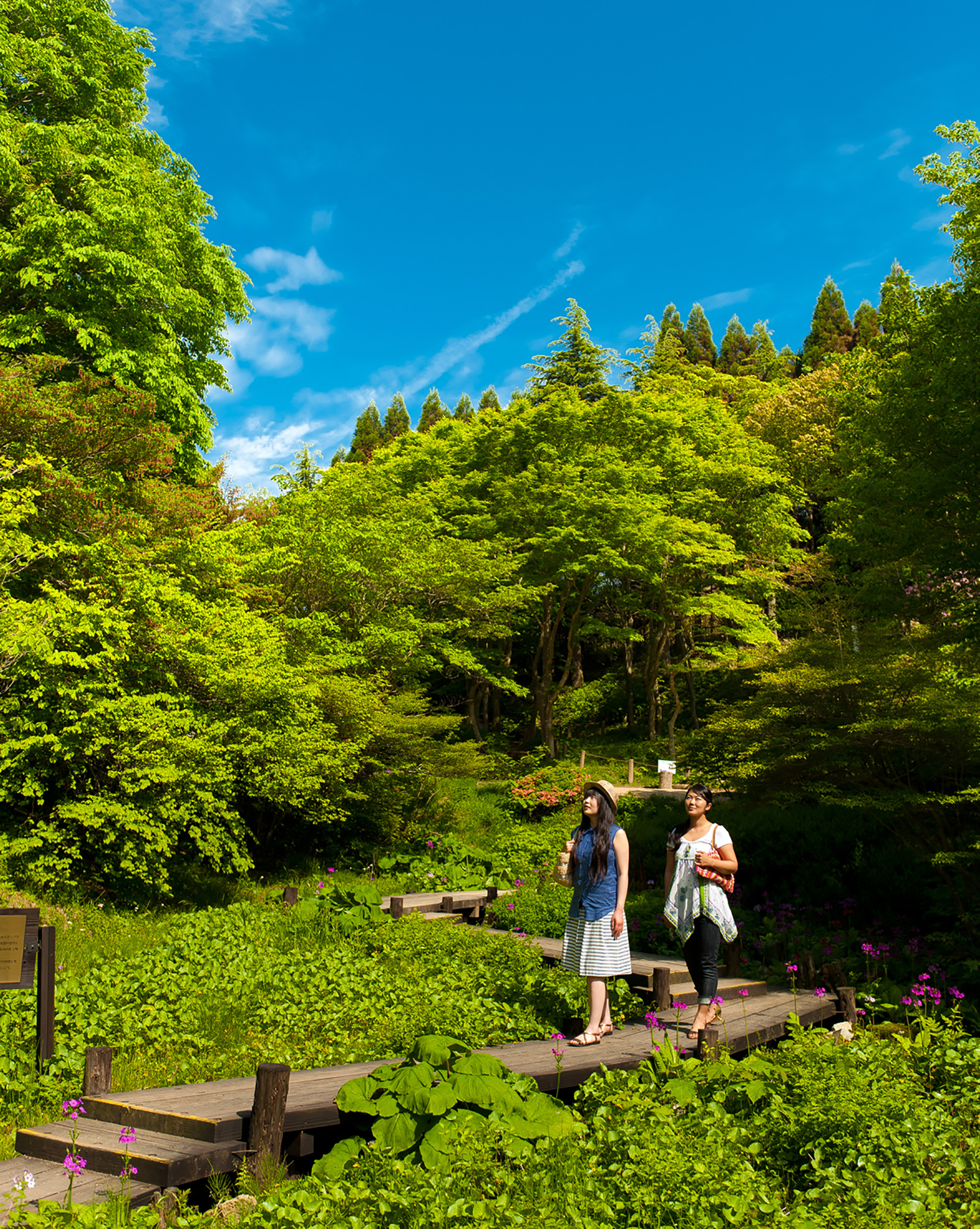
©Rokko Alpine Botanical Garden
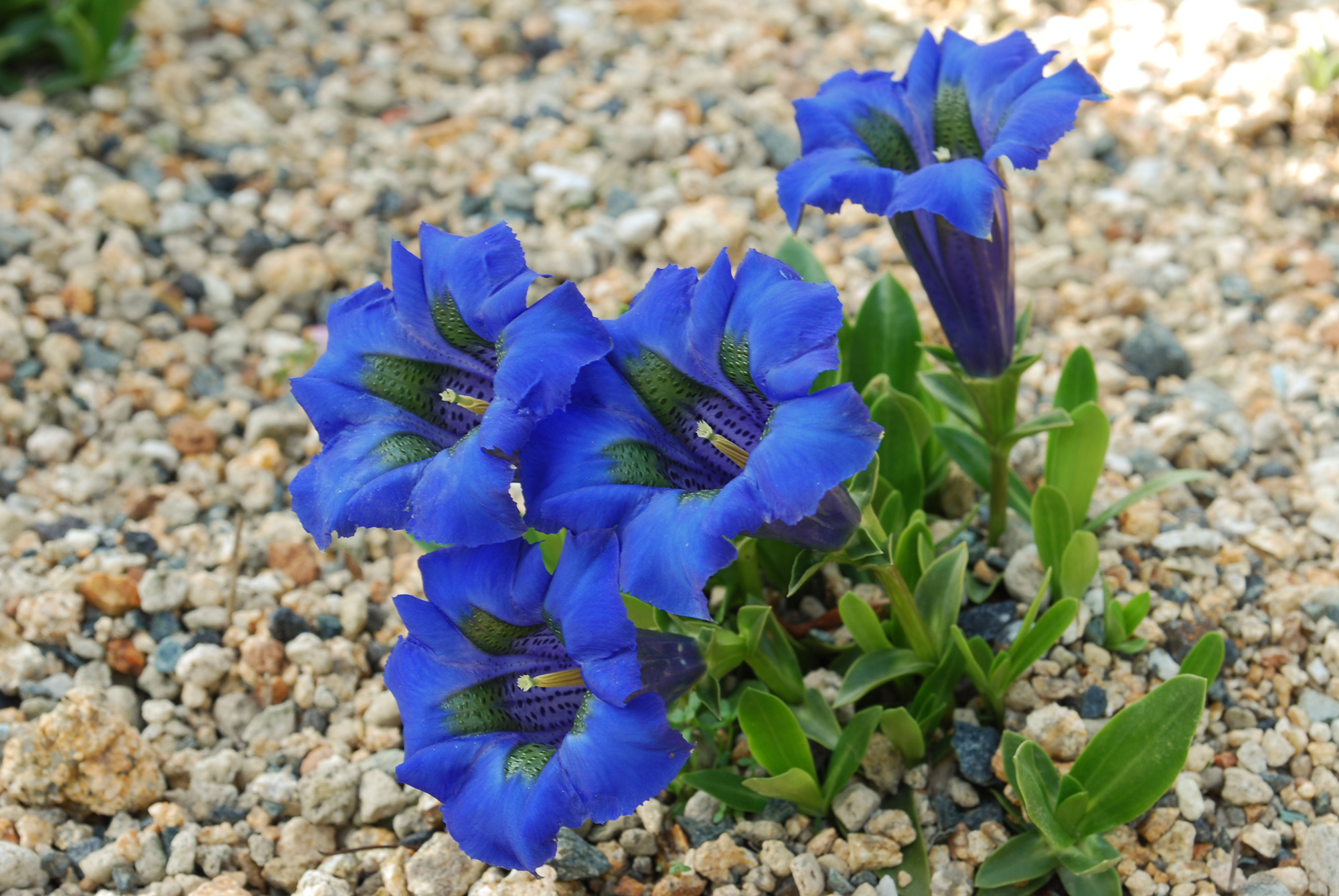
Gentiana acaulis (©Rokko Alpine Botanical Garden)
Every year from March to November, numerous visitors ride the Rokko Cable Car to enjoy a few breaths of fresh air at the top of Mount Rokko, which oversees the cities of Kobe and Osaka. There, at an altitude of 865 meters, lies one of the area’s main attractions: the Rokko Alpine Botanical Garden. Opened in 1933 by pioneer Japanese botanist Tomitaro Makino, the facility is currently home to more than 1,500 kinds of alpine plants from Japan and the Himalayas, as well as to various wild plants with a wide range of delicate perfumes. In particular, edelweiss are always resplendent there, and there might well be a reason for that: the lush garden has a special relationship with a counterpart the alpine country where the “silver star” is a national flower.

Rhododendron ferrugineum (©Rokko Alpine Botanical Garden)

Sempervivum arachnoideum (©Rokko Alpine Botanical Garden)
A “fertile” partnership

June 28, 2008: signature of the agreement (©Alpengarten Schynige Platte)
For the past ten years, the Rokko Alpine Botanical Garden has been twinned with the Alpengarten Schynige Platte, in the Bernese Oberland region of Switzerland. The alliance, which was signed in the Swiss Alps on a sunny June 28, 2008, remains the first and only agreement of its kind between the two countries. That day, to celebrate their similarities in terms of landscape, rail access and alpine nature protection policy, gardens presidents Norio Amai and Peter Wenger solemnly committed to improving scientific cultivation technology, promoting tourism, and working for cultural understanding between Switzerland and Japan.
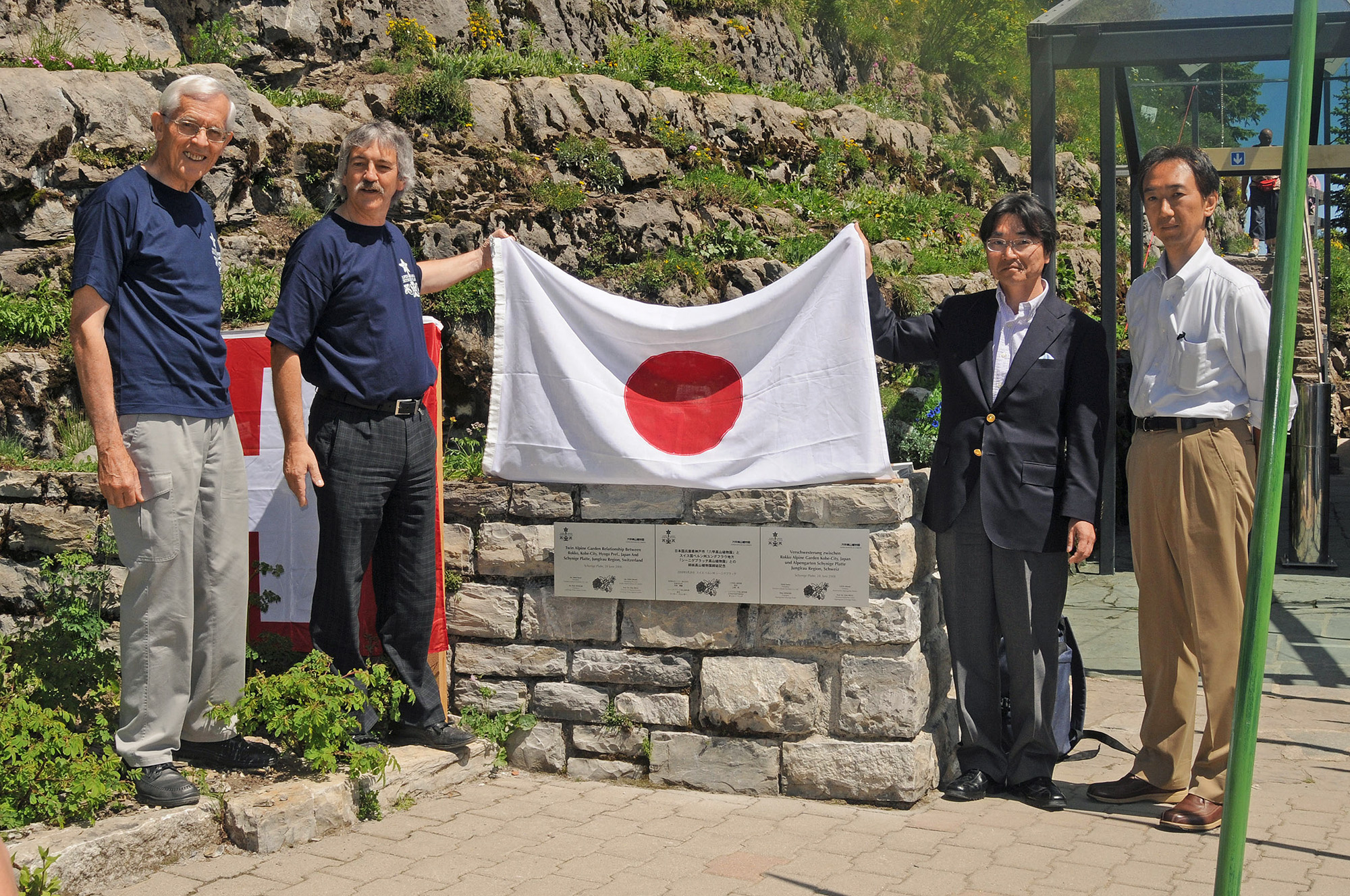
June 28, 2008: signature of the agreement (©Alpengarten Schynige Platte)
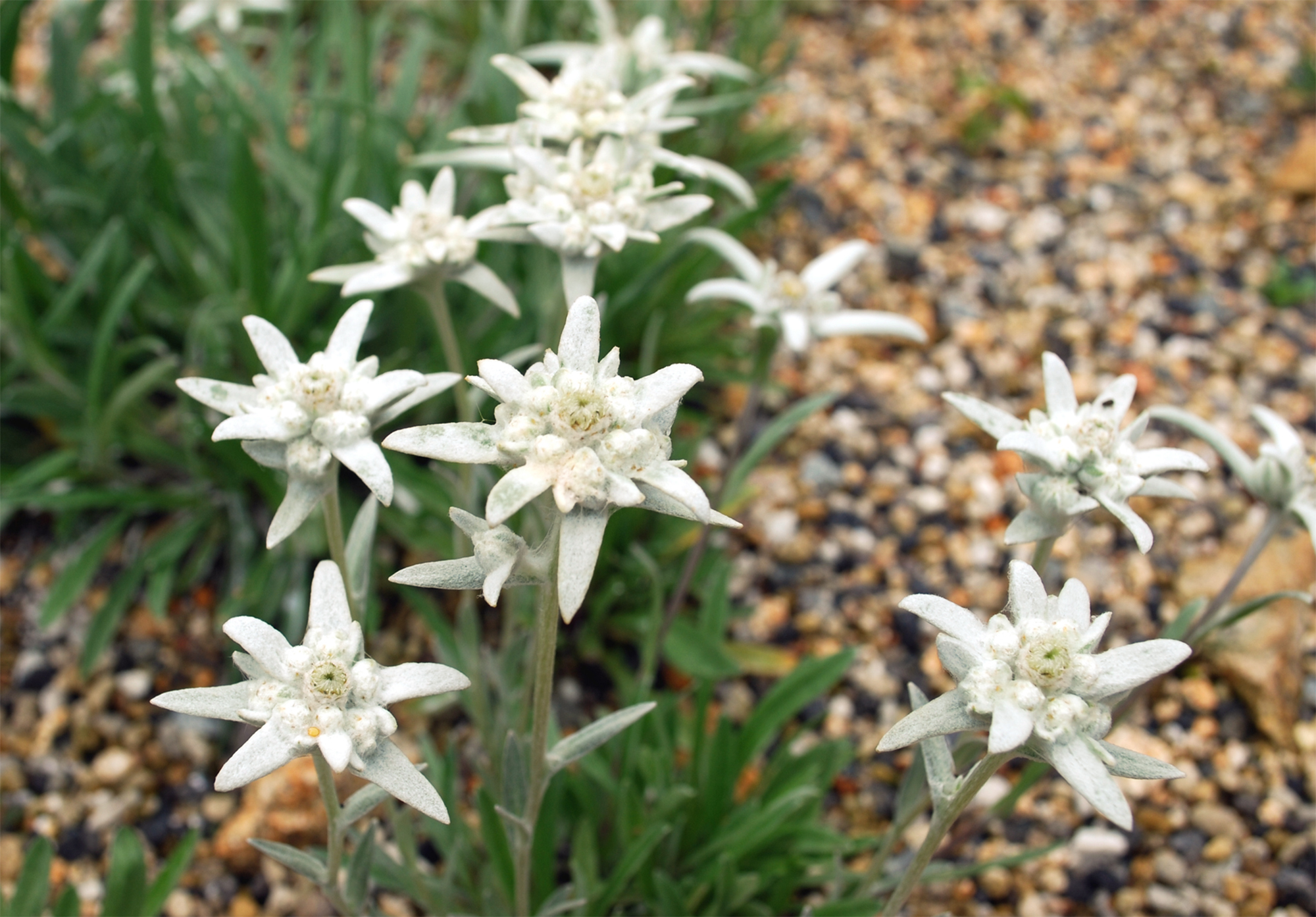
Leontopodium alpinum ("Edelweiss") in the Japanese garden (©Rokko Alpine Botanical Garden)
Swiss plants have since been carefully imported to Mount Rokko, and various homages to their sister garden can be found in both parks, such as flags, commemorative signposts, or even each other’s uniform (for limited periods of time)! The Rokko Alpine Botanical Garden has also at several occasions organized events centered on “Heidi, the Girl of the Alps”, with the intent to offer its visitors a glimpse of the romantic and relaxing atmosphere of the Swiss Alps. In all, it has been a very fruitful partnership for the famous Swiss garden located on the outskirts of Interlaken.

Switzerland-themed events are regularily organized at the Rokko Alpine Botanical Garden (©Switzerland Tourism)
Authentic edelweiss at close range

Rhododendron in the Swiss Alps (©Alpengarten Schynige Platte)
Situated in the southeastern part of the canton of Bern, the Schynige Platte Alpine Garden truly looks like it was directly taken out of an episode of “Heidi, the Girl of the Alps”. Perched at 1,987 meters above sea level, near the enchanting summit of the Schynige Platte, it has a display of over 650 specimen (two third) of Switzerland’s high altitude flora spread over a pasture of 8,000 square meters. No need to risk one’s life to see the legendary edelweiss in their traditional environment: visitors can reach the Garden after a pleasant train ride of 7.5 km offering one of the region’s most impressive and varied natural landscape.
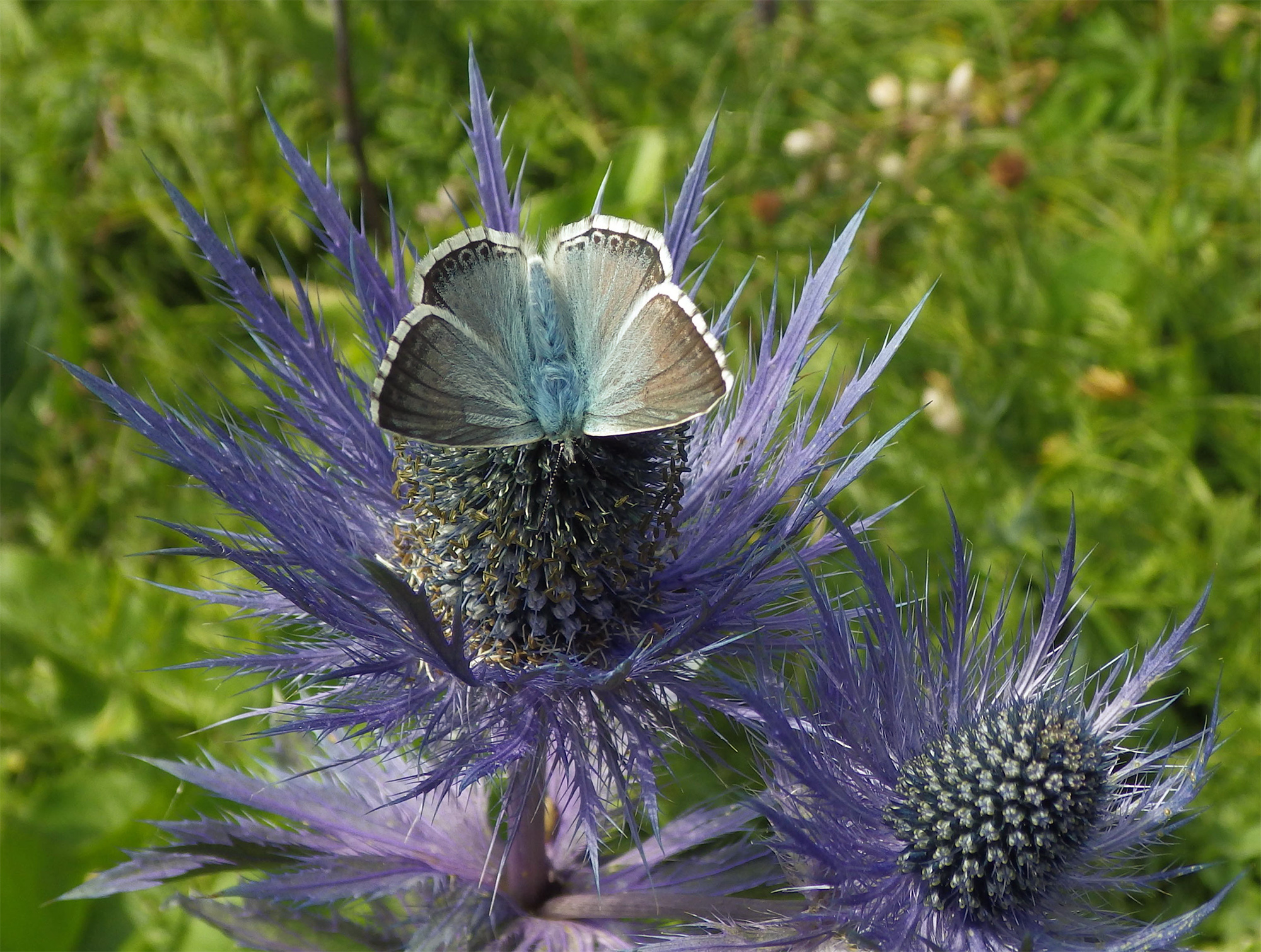
Eryngium alpinum (©Alpengarten Schynige Platte)

Gardener Jasmin Senn pampering the Swiss garden (©Alpengarten Schynige Platte)
The Schynige Platte Alpine Garden is managed by the Schynige Platte Alpine Garden Society, which frequently collaborates with the Botanical Garden of Bern and the Institute for Plant Sciences at the University of Bern for the study and conservation of Swiss –and Japanese- alpine vegetation. After all, beyond Swiss German and Japanese, the love for edelweiss is a universal language.
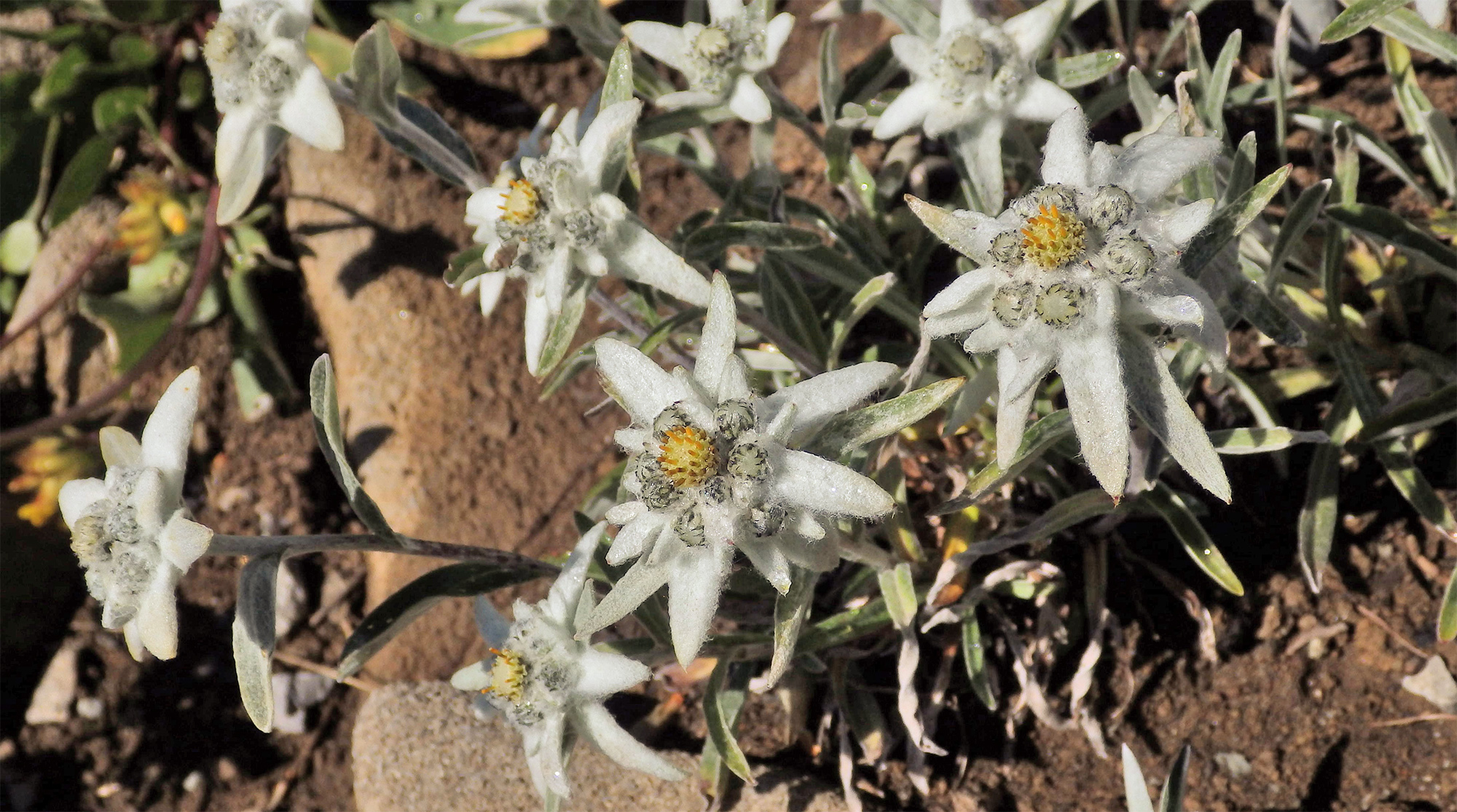
Leontopodium alpinum - "Edelweiss" (©Alpengarten Schynige Platte)
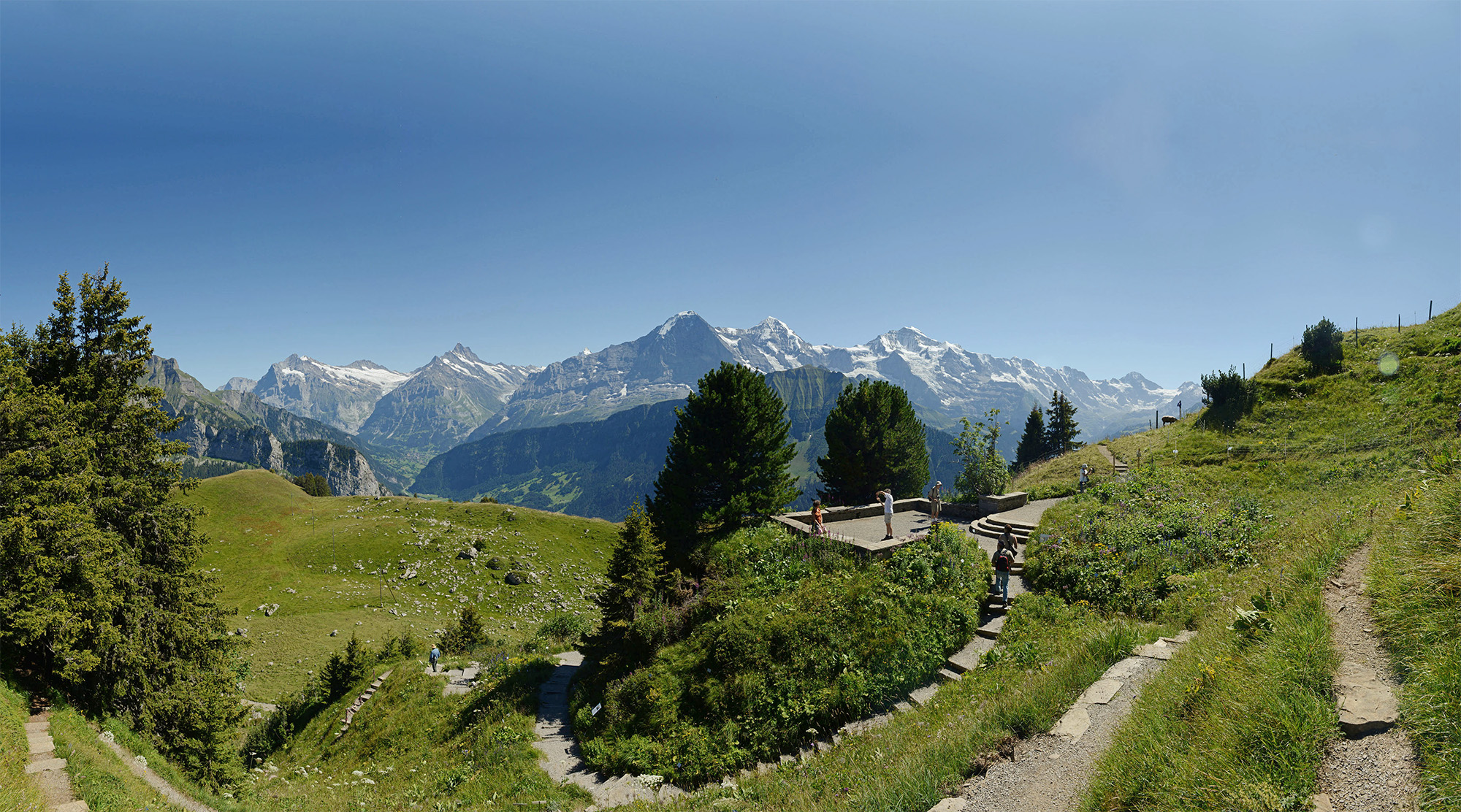
©Alpengarten Schynige Platte